


The Benefits of Exploring Korean Cuisine for Your Health and Tastebuds
- Hosung Gwak
- May 8
- 4 min read

Korean food offers a unique blend of flavors, textures, and colors that can excite your palate and support your well-being. If you have not yet tried Korean dishes, you might be missing out on a culinary experience that combines rich tradition with healthful ingredients. This post explores why Korean cuisine deserves a place on your table, highlighting its benefits for both your health and your tastebuds.

A Rich Tradition of Balanced Flavors
Korean cuisine is known for balancing spicy, sweet, sour, and savory tastes in a way that feels fresh and satisfying. This balance comes from the use of fermented ingredients like kimchi, gochujang (red chili paste), and doenjang (soybean paste), which add depth and complexity to dishes. These fermented foods are not only flavorful but also contribute beneficial probiotics that support digestion.
Dishes like bibimbap combine rice, sautéed vegetables, meat, and a spicy sauce, offering a variety of textures and flavors in one bowl. This harmony of ingredients makes Korean food enjoyable for those who appreciate meals that are both comforting and exciting.
Nutrient-Dense Ingredients That Support Health
Korean meals often include a wide range of vegetables, legumes, and lean proteins, making them nutrient-dense and well-rounded. Common ingredients such as garlic, ginger, sesame oil, and green onions provide antioxidants and anti-inflammatory compounds.
Kimchi, a staple side dish made from fermented cabbage and spices, is rich in vitamins A, B, and C, and contains probiotics that promote gut health. Research shows that regular consumption of fermented foods like kimchi can improve digestion and boost the immune system.
Seafood is also prominent in Korean cuisine, offering omega-3 fatty acids that support heart health. For example, dishes like grilled mackerel or spicy squid provide lean protein and essential nutrients without excess fat.
Low-Calorie and High-Fiber Options
Many Korean dishes emphasize vegetables and grains, which are naturally low in calories but high in fiber. Fiber helps regulate blood sugar levels and supports a healthy digestive system. Meals like kongnamul guk (soybean sprout soup) and namul (seasoned vegetable side dishes) are light yet filling, making them excellent choices for those watching their calorie intake.
Rice, often served as a base, is usually white or mixed with grains like barley or millet, adding variety and additional nutrients. The use of whole grains in Korean cooking helps maintain energy levels and supports metabolic health.
Encourages Mindful Eating and Variety
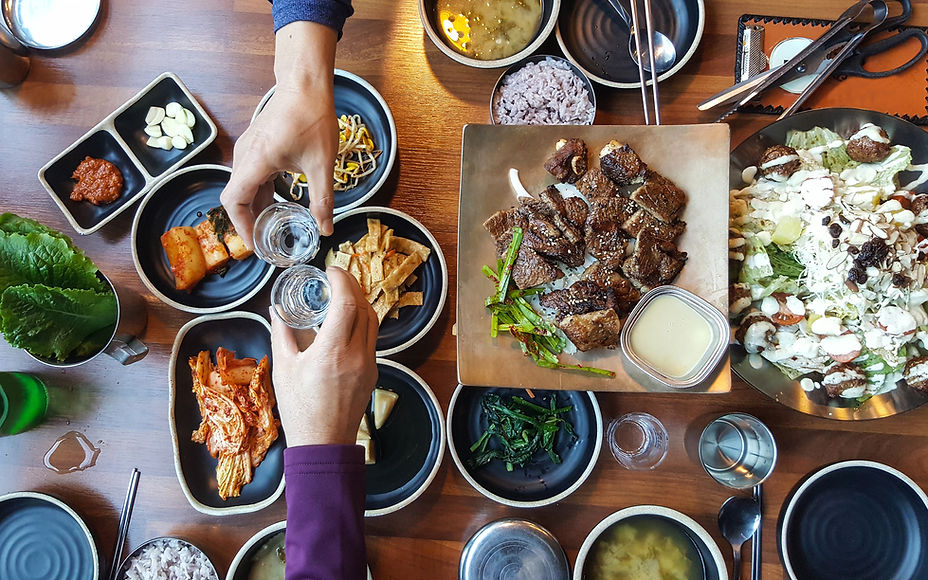
Korean dining culture encourages sharing multiple small dishes called banchan, which promotes variety and mindful eating. Instead of large portions of one item, you get to taste many different flavors and textures. This approach can help prevent overeating and encourages a balanced diet.
Sharing food also creates a social experience that enhances enjoyment and satisfaction. Eating slowly and appreciating each bite aligns with mindful eating practices, which have been linked to better digestion and weight management.
Easy to Adapt for Different Diets
Korean cuisine offers flexibility for various dietary preferences and restrictions. Many dishes are naturally gluten-free or can be adapted easily. Vegetarians and vegans can enjoy meals centered around tofu, mushrooms, and vegetable-based banchan.
For those who prefer low-carb options, Korean barbecue allows you to focus on grilled meats and vegetables without heavy sauces or rice. The emphasis on fresh, whole ingredients makes it easier to maintain a healthy diet without sacrificing flavor.
Practical Tips for Trying Korean Food
Start with popular dishes like bibimbap, bulgogi (marinated beef), or kimchi jjigae (kimchi stew) to get a sense of the flavors.
Visit a Korean restaurant that offers a variety of banchan to experience the full range of tastes.
Try making simple Korean recipes at home using ingredients like gochujang, sesame oil, and fermented vegetables.
Incorporate kimchi into your meals as a side dish or topping to add probiotics and spice.
Explore Korean street food options such as tteokbokki (spicy rice cakes) for a flavorful snack.
The Role of Fermentation in Korean Cuisine
Fermentation is a cornerstone of Korean cooking, providing both flavor and health benefits. Fermented foods like kimchi and doenjang contain live bacteria that support gut health, which is linked to improved immunity and mental well-being.
The fermentation process also enhances the nutritional profile of vegetables, increasing vitamin content and making minerals more bioavailable. This traditional technique has been used for centuries, showing how Korean cuisine combines taste with functional benefits.
Korean Food and Weight Management
Because Korean meals often focus on vegetables, lean proteins, and fermented foods, they can support weight management goals. The high fiber content promotes fullness, reducing the likelihood of overeating. Additionally, the use of spices like chili peppers can increase metabolism slightly, aiding calorie burn.
Choosing grilled or steamed dishes over fried options helps keep calorie intake in check. The variety of small dishes also allows you to enjoy a range of flavors without large portions of any single item.
Enhancing Your Culinary Experience
Exploring Korean cuisine can expand your culinary horizons and introduce you to new ingredients and cooking methods. The vibrant colors and textures make meals visually appealing, which enhances appetite and satisfaction.
Trying Korean food also offers a chance to learn about Korean culture and traditions, deepening your appreciation for the food you eat. Whether dining out or cooking at home, Korean dishes provide a rewarding experience for both your tastebuds and your health.


Comments