
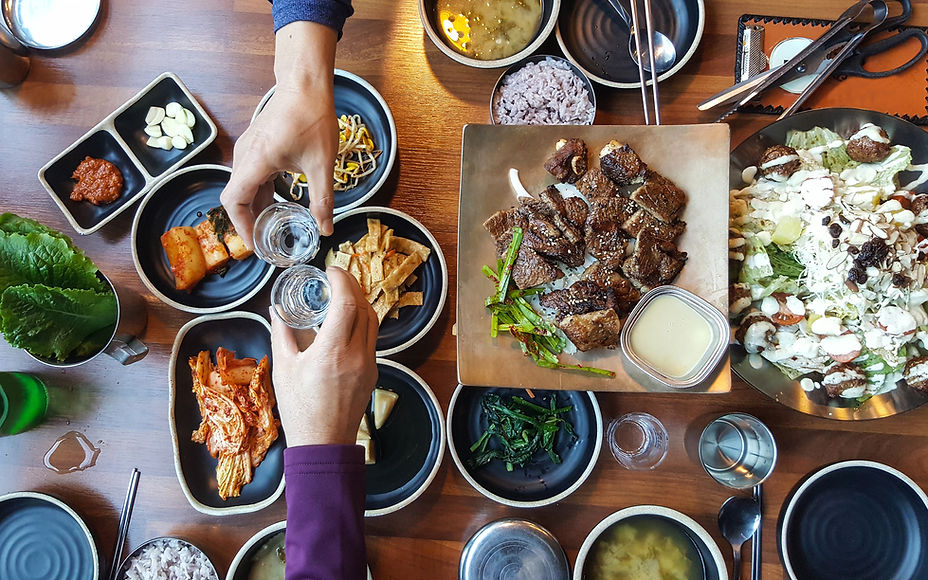


Discovering the Richness of Korean Cuisine
- Hosung Gwak
- May 16
- 3 min read

Updated: Jun 2
Korean cuisine is a vibrant tapestry of flavors and traditions. It reflects the country's history and its people's resilience. The dishes mentioned above are not just meals; they are a celebration of culture.
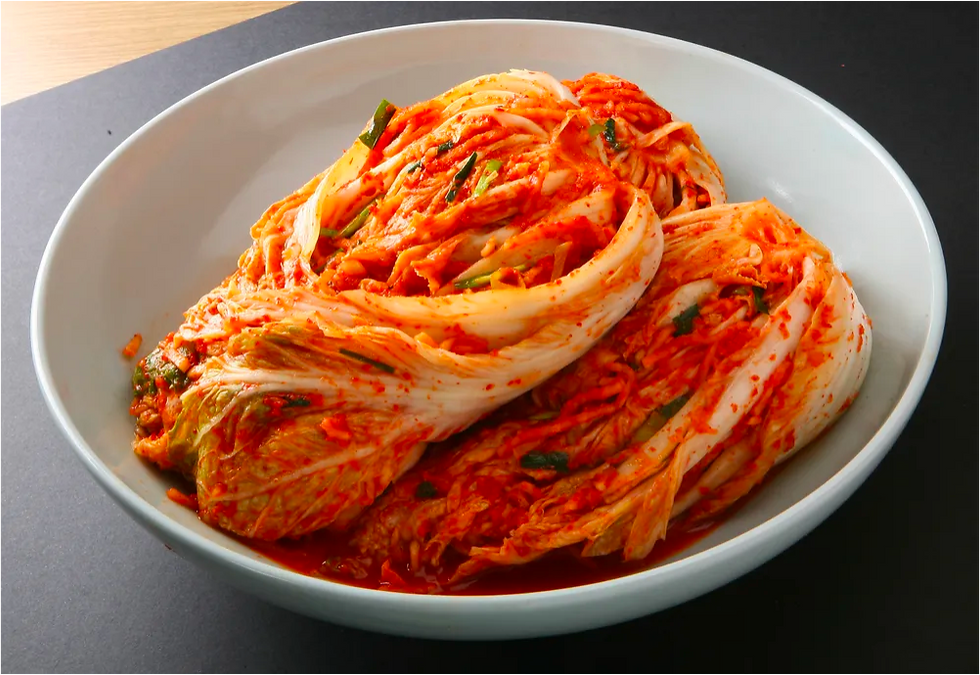
Kimchi is more than a side dish; it is a symbol of Korean identity. This fermented vegetable dish primarily uses napa cabbage, combined with chili powder, garlic, ginger, and other seasonings. The fermentation process involves salting the cabbage to draw out moisture, then mixing it with the spicy paste before storing it in cool conditions for days or weeks.
The fermentation creates a tangy, spicy flavor that deepens over time. This process also produces beneficial probiotics, making kimchi a healthy addition to any meal. In Korean households, kimchi is often made in large batches during the late autumn in a tradition called kimjang, which brings families and communities together.
Culturally, kimchi represents resilience and resourcefulness. It was a way to preserve vegetables through harsh winters and remains a staple on Korean tables. When I first tried homemade kimchi, the balance of heat and sourness surprised me, showing how fermentation can transform simple ingredients into something complex and vibrant.
비빔밥 (Bibimbap): A Colorful Harmony in a Bowl

Bibimbap means "mixed rice," and it lives up to its name with a bowl full of rice topped with assorted vegetables, meat (usually beef), a fried egg, and a dollop of gochujang (red chili paste). The vegetables vary but often include spinach, bean sprouts, carrots, and mushrooms, each prepared separately to maintain their unique flavors and textures.
The dish’s beauty lies in its presentation: colorful ingredients arranged neatly before mixing. This visual appeal invites you to stir everything together, blending flavors and textures in every bite. Variations exist, such as dolsot bibimbap, served in a hot stone bowl that crisps the rice at the bottom, adding a delightful crunch.
Bibimbap is a perfect example of balance in Korean cuisine—nutritionally and aesthetically. When I eat bibimbap, I appreciate how each ingredient shines yet complements the others. It’s a dish that feels both comforting and fresh, making it a favorite for many.
불고기 (Bulgogi): Sweet and Savory Grilled Beef

Bulgogi is thinly sliced beef marinated in a mixture of soy sauce, sugar, garlic, sesame oil, and often pear juice, which tenderizes the meat and adds subtle sweetness. The marinade is key to bulgogi’s signature flavor, creating a balance between salty, sweet, and savory notes.
Once marinated, the beef is grilled or stir-fried quickly over high heat. This cooking method caramelizes the sugars, giving the meat a slightly charred, smoky taste. Bulgogi is often served with rice and wrapped in lettuce leaves with garlic and chili for added flavor.
In my experience, the pear juice in the marinade makes a noticeable difference, softening the meat and adding a fruity undertone. Bulgogi is a dish that brings people together, often enjoyed during gatherings or celebrations, reflecting the Korean value of sharing food.
The Cultural Significance of Korean Cuisine
Korean cuisine is deeply intertwined with the country's culture and traditions. Each dish carries stories and meanings that reflect the values of the people. Food is not just sustenance; it is a way to connect with others and celebrate life.

The Role of Food in Korean Society
Food plays a central role in Korean society. Meals are often communal, emphasizing the importance of sharing and togetherness. This is evident in the way dishes like bulgogi and bibimbap are enjoyed. They are often prepared for gatherings, symbolizing hospitality and warmth.
Seasonal Ingredients and Their Importance
Korean cuisine also emphasizes the use of seasonal ingredients. This practice not only enhances the flavors of the dishes but also connects people to the land. Each season brings different vegetables and fruits, which are celebrated in various dishes. For example, spring might bring fresh greens for salads, while winter focuses on hearty stews.
The Health Benefits of Korean Food
Beyond taste, Korean food offers numerous health benefits. Dishes like kimchi are rich in probiotics, which support gut health. The use of fresh vegetables and lean meats in dishes like bibimbap contributes to a balanced diet. This focus on health is a significant aspect of Korean culinary traditions.
Conclusion: Embracing Korean Cuisine
Korean cuisine is a delightful journey through flavors, traditions, and cultural significance. From the tangy notes of kimchi to the colorful presentation of bibimbap and the savory sweetness of bulgogi, each dish offers a unique experience.
Exploring these dishes allows one to appreciate not just the food but also the stories and values they represent. Whether you are a seasoned foodie or new to Korean cuisine, there is always something new to discover. Embrace the richness of Korean food, and let it inspire your culinary adventures.
For those looking to dive deeper into the world of Korean cuisine, consider trying your hand at making these dishes at home. The process can be as rewarding as the meal itself. Happy
cooking!


Comments